Blog

how gratitude reframes the stress

How Gratitude Reframes the Stress We Don’t Talk About

I don’t know about you, but I grew up in a family of world-class worriers.

For as long as I can remember, the people around me were experts at turning everyday pressure into full-blown stress. As a kid, I could walk into a room and immediately detect everything that was “wrong” with it. A tiny patch of peeling paint. A strained tone in someone’s voice. A dry biscuit. Anything and everything was a potential disaster.

It didn’t improve much with age. The adults were the same. Complaints, tension, and a good dose of whinging took centre stage most days. We were a tightly wound bunch.

Naturally, I carried that into the workplace, and it made me miserable. Eventually, it took a serious toll. Climbing out of that hole changed my life, and now I help others avoid the same traps.

how gratitude reframes the stress
Photo by Andrea Piacquadio by pexels.com

Work today asks a lot of us. Shifting priorities. Long hours. Tough conversations. The pressure to look composed even when you’re running on fumes. Stress creeps in slowly, almost silently. One day you realise it’s become part of your daily routine.

What actually helps? Gratitude.

Not the forced, “be positive at all costs” version. Real gratitude. The simple skill of noticing what is still supporting you. What is steady. What hasn’t fallen apart. The small pockets of calm inside the chaos.

And during stressful periods, that matters.

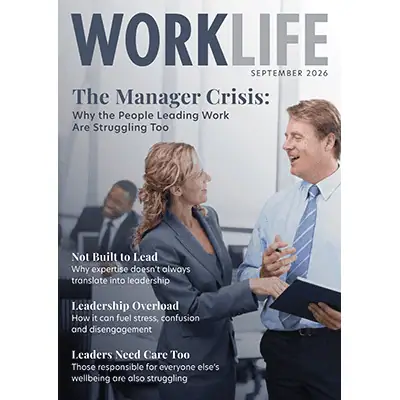
Don't forget to subscribe to our monthly eMag - WorkLife

Expert insights and tips on how to build resilient and mentally healthy workplace cultures delivered straight to your inbox each month.

Why gratitude helps during stress

When stress spikes, the brain zooms in on problems. It looks for threats and unfinished tasks. In a workplace, that can feel like your mind is glued to everything that hasn’t been done.

Gratitude widens that view. Even small, ordinary moments interrupt the stress cycle, like:

  • Morning sunlight through a window
  • The first quiet minute of the day
  • A seat on the train you weren’t expecting
  • A meal that actually turned out well

Inside the workplace, the same thing happens:

  • Someone sharing information before you needed to chase it
  • A colleague covering something so you could finish another task
  • Hearing a thank you when you needed it most
  • A meeting running smoothly for once

These moments send a different message: not everything is falling apart, and not everything rests on your shoulders.

Gratitude doesn’t remove the workload. It simply creates enough mental space to breathe and keep going.

What gratitude is not

Let’s keep it honest. Gratitude is not:

  • Pretending everything is fine
  • Telling people to be thankful instead of fixing real issues
  • Ignoring unfair workloads or broken systems
  • Saying “at least you’ve got a job”

Healthy gratitude can sit alongside frustration, fatigue, or disappointment. It doesn’t cancel those feelings. It adds perspective without minimising the truth.

How gratitude shows up in real workplaces

Gratitude isn’t limited to warm, expressive teams. Many workplaces are blunt, busy, or stretched thin. Gratitude still exists there. It just shows up in quieter ways.

Sometimes it looks like noticing:

  • A task finally clicking after days of trying
  • Handling a difficult moment better than last time
  • A tool or system that genuinely saves you time
  • A routine that helps you stay steady on heavy days

Or through people, even when no one is especially emotional:

  • Someone meeting a deadline
  • Clear instructions that prevent confusion
  • A meeting that finishes on time
  • A decision that reduces uncertainty

Gratitude at work isn’t about waiting for big gestures. It’s recognising the things that reduce friction, add clarity, or make the week easier to carry.

Gratitude also helps you see progress

Stress highlights what’s unfinished. Gratitude balances that by bringing your attention to what has moved forward:

  • Something finally completed
  • A skill that felt smoother this time
  • Support you forget you have, like good tools, a reliable break, or a manager who actually listens

These small markers of progress build confidence slowly but steadily.

For leaders, gratitude is a practical tool

Leaders who use gratitude well create teams where people feel respected and safe enough to speak honestly. This doesn’t replace fixing workload or improving systems. It simply makes those improvements easier because people already feel valued.

Stress will always exist at work. But the way we carry it can absolutely change.

So here’s a quiet reminder to notice what’s steady, what’s working, and what’s helping you through the week. Those moments are not small. They’re what keep people going.

And since we’re here, thank you for showing up, caring, and continuing to do the work.

Author: Peter Diaz
Peter Diaz profile

Peter Diaz is the CEO of Workplace Mental Health Institute. He’s an author and accredited mental health social worker with senior management experience. Having recovered from his own experience of bipolar depression, Peter is passionate about assisting organisations to address workplace mental health issues in a compassionate yet results-focussed way. He’s also a Dad, Husband, Trekkie and Thinker.

Connect with Peter Diaz on:
Facebook-logo Podcast Icon LinkedIN-logo

toxic positivity

When Optimism Backfires: Understanding Toxic Positivity at Australian Workplaces

Australian workplaces have long valued positivity, resilience, humour, and the classic “can-do” spirit. From the warehouse floor to corporate offices, maintaining an upbeat attitude has often been seen as a sign of professionalism and strength. But in recent years, organisations are discovering an unintended consequence: too much optimism can actually be harmful.

This phenomenon, known as toxic positivity, is gaining increasing attention in Australian industries as employers grapple with rising burnout, heightened psychosocial risks, and new WHS obligations to protect employees’ mental health.

This article explores what toxic positivity looks like in Australian workplaces, why it happens, the risks it poses, and how organisations can build a healthier, more psychologically safe culture.

What Is Toxic Positivity?

Toxic positivity occurs when workplaces promote a constant expectation of cheerfulness, gratitude, and “staying positive,” even when employees are dealing with genuine stress, uncertainty, or adversity.

It crosses the line from healthy optimism into harmful pressure when positivity is used to:

  • minimise legitimate concerns
  • dismiss negative emotions
  • avoid difficult conversations
  • preserve appearances rather than address issues

Common examples in Australian workplaces include:

  • “She’ll be right — it’s not that bad.”
  • “We’re all under pressure, just stay positive.”
  • “Let’s focus on the good things only.”
  • “Negativity won’t get us anywhere.”
  • “We don’t want complainers here.”

The intention may be good, but the impact is harmful — employees feel unheard, unseen, and unsupported.

toxic positivity
Photo by Yan Krukau via Pexels.com

Why Toxic Positivity Occurs in Australian Workplaces

1. The “No Worries” / “She’ll Be Right” Mindset

Australian culture encourages people to stay upbeat and not dwell on difficulties. While this national attitude can be supportive, it can also create environments where:

  • discomfort is brushed aside
  • vulnerability is discouraged
  • people avoid admitting they’re struggling

This cultural norm can unintentionally turn into pressure to “keep smiling” even when things are not okay.

Don't forget to subscribe to our monthly eMag - WorkLife

Expert insights and tips on how to build resilient and mentally healthy workplace cultures delivered straight to your inbox each month.

2. A Desire to Avoid Conflict

Australians often prefer harmony over confrontation. This sometimes leads managers and colleagues to use positivity to avoid discomfort, for example:

  • glossing over performance issues
  • ignoring tensions
  • giving superficial reassurance instead of tackling root problems

Conflict avoidance often manifests as toxic positivity.

3. Superficial Wellness Initiatives

Many Australian organisations have embraced wellness campaigns, gratitude challenges, and mindfulness posters.

But without meaningful structural support — realistic workloads, adequate staffing, healthy leadership behaviour — these initiatives can send the message:

“If you’re stressed, just try harder to be positive.”

This places emotional responsibility on the employee rather than the organisation.

4. Pressure to Demonstrate Resilience

The Australian workforce is proud of being tough, resourceful, and capable. However, the expectation to “stay strong” can silence people who need help.

Industries with high stress levels — healthcare, social services, education, hospitality, mining, construction, and emergency services — are particularly vulnerable to this culture.

5. Leadership Styles Focused on Motivation Over Reality

Some managers rely heavily on motivational messaging:

  • “Let’s keep our spirits high!”
  • “Think positive and everything will improve!”

While enthusiasm is valuable, excessive positivity can signal that only “good news” is welcome. Problems are ignored, and employees feel discouraged from speaking honestly.

The Cost of Toxic Positivity in Australian Workplaces

Toxic positivity isn’t just a cultural issue — it has serious consequences for employee well-being, team dynamics, and organisational performance.

1. Emotional Suppression and Burnout

When workers feel unsafe expressing difficult emotions, they begin masking stress.
Over time, this leads to:

  • exhaustion
  • disengagement
  • anxiety
  • higher turnover
  • reduced job satisfaction

Emotional suppression is a major contributor to burnout — now recognised as a psychosocial injury under WHS legislation.

2. Reduced Psychological Safety

Psychological safety is the belief that employees can speak openly without fear of judgment.
Toxic positivity erodes this by:

  • discouraging honest conversations
  • labelling concerns as negativity
  • creating a culture where only good news is acceptable

This has a powerful ripple effect on collaboration, innovation, and trust.

3. Stifled Feedback and Missed Problems

When negativity is discouraged, staff hesitate to:

  • raise risks
  • report issues
  • criticise inefficient processes
  • challenge unrealistic expectations

The organisation stays “positive,” but problems grow unnoticed until they become much larger.

4. Declining Mental Health

Repeatedly invalidating someone’s experience — even with good intentions — can worsen mental health symptoms.
Employees may experience:

  • frustration
  • isolation
  • shame
  • reduced coping ability

This is particularly dangerous in sectors already facing high stress levels.

5. Impact on WHS Compliance

With psychosocial hazard regulations now in force across Australia, employers must actively manage:

  • high emotional demands
  • inadequate support
  • organisational change stress
  • unresolved conflict
  • unreasonable job pressures

A culture of toxic positivity can contribute directly to these hazards — meaning failure to address it may put an organisation at legal risk.

How to Prevent Toxic Positivity in Australian Workplaces

1. Normalise All Emotions — Not Just Positive Ones

Encourage staff to share challenges without fear of being dismissed.
Leaders can model this by acknowledging struggle honestly.

2. Prioritise Psychological Safety

Create environments where speaking up about stress, mistakes, or discomfort is encouraged and rewarded.

3. Train Managers in Emotionally Intelligent Leadership

Leaders should learn to:

  • listen actively
  • validate emotions
  • avoid minimising feelings
  • respond with empathy rather than clichés

4. Balance Optimism with Realism

Instead of forcing positivity, leaders can say:

  • “This is tough, and it’s okay to feel stressed. Let’s work through it together.”
  • “What support do you need right now?”

5. Fix Structural Issues, Not Just Attitudes

Workload, culture, role clarity, fairness, and leadership behaviour matter more than motivational messaging.

6. Use Wellness Tools Responsibly

Well-being programs should support staff — not become a way to shift responsibility onto them.

The Long-Term Benefits of Addressing Toxic Positivity

When organisations move away from forced optimism and embrace emotional authenticity, they benefit from:

  • stronger trust
  • healthier teams
  • better communication
  • reduced psychological risk
  • increased productivity
  • improved morale
  • genuine resilience

Authentic positivity — grounded in honesty, empathy, and meaningful support — is far more effective than surface-level cheer.

Positivity is an Australian strength — but only when it’s genuine, balanced, and inclusive. When optimism becomes an expectation rather than a choice, it creates pressure, silences important conversations, and harms psychological safety.

For modern Australian workplaces, especially under strengthened WHS regulations, toxic positivity is a real issue that must be understood and addressed. The goal is not to eliminate positivity — it’s to create a culture where every emotion is validated and employees feel supported in both the highs and the lows.

understanding seasonal affective disorder

Why Your Mood Can Shift Like the Weather: Understanding Seasonal Affective Disorder

Every year, the light changes. Mornings drag a bit. The air feels different. Sometimes it’s subtle. Other times, it’s like your energy has disappeared into fog.

You might sleep longer, crave comfort food, or just feel flat. It’s not necessarily you—it could be seasonal.

Our moods, like the weather, have seasons. Sometimes they follow the clouds.

This pattern is called Seasonal Affective Disorder, or SAD. People in Australia experience it too. Shorter days can affect anyone, no matter where you live.

How Light Affects Us

As daylight fades, the body shifts. Serotonin, the mood chemical, drops. Melatonin, which signals rest, rises. Our internal clock starts drifting.

understanding seasonal affective disorder
Photo by RDNE Stock project via Pexels.com

For some, it’s mild fatigue or slow mornings. For others, it hits heavier and lasts longer.

Modern life doesn’t pause. When we push on without adjusting, our bodies and minds catch up eventually.

Moving With the Season

Resilience isn’t about powering through. It’s about noticing patterns and finding what helps you reset.

Get light where you can: Open windows, sit in the sun, or take a short walk in the morning.

Move daily: Stretch, walk, or do light exercise to clear the mental fog.

Stick to a sleep routine: Go to bed and get up around the same time.

Eat to support energy: Choose balanced meals—soups, veggies, grains, healthy fats—and stay hydrated.

Stay connected: SAD can make you withdraw. Reach out to friends or chat with someone you trust.

Slow down when needed: Winter can be a time to recharge, reflect, and enjoy quieter moments.

Don't forget to subscribe to our monthly eMag - WorkLife

Expert insights and tips on how to build resilient and mentally healthy workplace cultures delivered straight to your inbox each month.

When It’s Too Much

If low moods last weeks or affect daily life, talk to a professional. CBT, light therapy, or medication can help. Seeking support is care, not weakness.

For Leaders

Seasonal shifts affect teams. Focus drops. Collaboration can feel harder. Understanding this lets workplaces be more humane. Small changes like natural light, short breaks, or flexible schedules make a difference.

Moving Forward

Moods shift with the seasons. That’s normal. Slower days help us stay balanced. With light, movement, connection, and care, we can move through winter without losing ourselves.

At WMHI, we believe resilience grows when we respect our own cycles. The weather changes, and so do we. Through corporate mental health training focused on developing personal resilience, we can carry light through every season.

simple ways to recharge at work

Simple Ways to Recharge at Work Without Losing Momentum

Some mornings, it feels like the day starts before I’ve even opened my eyes. I’m half-awake, checking emails, already thinking about what’s waiting for me. By the time I sit down at my desk, I’ve been switched on for hours. Then somewhere in the middle of it all, the focus fades. My neck’s tight, my head feels foggy, and even simple tasks start to drag.

That’s the sign it’s time to pause. Not stop completely—just pause long enough to get my balance back. Most people think rest happens after work, but the truth is, it needs to happen during it too. Small breaks through the day don’t waste time; they help you stay sharp and steady. Managing stress at work isn’t about slowing down. It’s about knowing when to take a breath so you can keep going without running dry.

simple ways to recharge at work
Photo by cottonbro studio via Pexels.com

Take a Minute to Notice

Mindfulness sounds complicated, but it’s really just paying attention to what’s happening now. Between tasks, sit still for a few moments. Breathe in deeply. Notice your feet on the floor and the way your shoulders sit.

You don’t need silence or soft music. Just a few seconds that belong to you. Next time you walk to a meeting, leave your phone where it is. Notice the sounds around you, the light in the hallway, maybe even a smell from someone’s lunch. Those tiny moments of awareness pull you back into the present, and that’s where real focus starts.

Move a Little

When your mind starts to wander, move your body. Stand, stretch, roll your neck, walk to refill your water. You don’t have to call it exercise—just movement.

If you’ve got a colleague nearby, take the chat outside or down the corridor. Some of the best ideas show up when you’re walking, not staring at a screen. Even a two-minute stroll can reset your breathing and clear the fog. It’s small, but it helps.

Don't forget to subscribe to our monthly eMag - WorkLife

Expert insights and tips on how to build resilient and mentally healthy workplace cultures delivered straight to your inbox each month.

Let Yourself Create

Doing something simple and creative gives your mind a bit of space. Doodle on a scrap of paper, build a playlist, or jot down a few loose thoughts you’ve been carrying around.

You’re not trying to make anything special. You’re just giving your brain a different view. Funny how the answers often show up once you stop forcing them.

Talk to Someone

A quick chat can lift your energy more than another coffee ever will. Step away from your desk. Ask someone how their day’s going. Listen properly. Share a laugh if you can.

It doesn’t have to be a deep conversation. Just connection. It breaks the tension and reminds you that you’re part of a team, not doing it all alone.

Step Outside

If there’s sunshine, take it. Eat lunch near a window or head outdoors for a few minutes. A bit of natural light or fresh air can do wonders.

You’re not escaping work; you’re giving your body a reset. Even a short moment with trees or open air helps you breathe easier. Nature doesn’t fix everything, but it makes the day feel a bit softer.

Put Boundaries Around the Noise

Constant notifications make it feel like work never ends. Try checking messages at set times instead of reacting to every ping.

When it’s lunchtime, flip your phone face down. Let your brain have a real break. And when the workday’s done, let it end. That quiet space before the next day starts matters more than most people realise.

It’s not laziness. It’s looking after your energy.

Are you a psychologically safe manager? Take the self assessment to find out.

Build What Works for You

There’s no one right way to unwind. What works for one person might not work for another. The trick is to find what gives you energy back—and keep doing it.

Maybe it’s a short walk, a few deep breaths before meetings, or eating somewhere other than your desk. Keep it simple, easy, and real.

The best workplaces aren’t the ones that never stop. They’re the ones that make space for people to recover. When teams know how to pause, they stay focused longer, care more, and burn out less.

If your team wants to learn how to do that, consider workplace mental health training. It teaches practical ways to handle stress, communicate better, and recover before burnout takes hold.

Because rest isn’t wasted time. It’s what keeps everything else working.

Author: Peter Diaz
Peter Diaz profile

Peter Diaz is the CEO of Workplace Mental Health Institute. He’s an author and accredited mental health social worker with senior management experience. Having recovered from his own experience of bipolar depression, Peter is passionate about assisting organisations to address workplace mental health issues in a compassionate yet results-focussed way. He’s also a Dad, Husband, Trekkie and Thinker.

Connect with Peter Diaz on:
Facebook-logo Podcast Icon LinkedIN-logo

when trauma comes to workplace

When Trauma Comes to Work: Understanding PTSD in the Workplace

When people talk about mental health at work, the same few words usually come up: stress, burnout, anxiety. They all matter, of course. But one topic that still tends to slip through the cracks is PTSD. And that’s surprising, because it can quietly shape how someone feels and functions at work every single day.

A lot of us still link PTSD with soldiers or emergency workers. But trauma does not only happen in extreme situations. It can come from a car accident, an assault, a natural disaster, or from long periods of bullying or intimidation at work. The truth is, trauma does not always disappear with time. It can stay tucked away, then show itself in small moments — a flash of fear in a meeting, a sudden change in tone, or a need to step away when things feel too much.

This is where trauma-informed workplace training becomes essential — helping teams recognise signs of trauma, respond with empathy, and create psychologically safe environments where recovery and performance can coexist.

when trauma comes to workplace
Designed by Freepik

What PTSD Really Means

PTSD, or post-traumatic stress disorder, happens when the mind and body struggle to return to a feeling of safety after something deeply distressing. Flashbacks, sleepless nights, and constant tension are common. Some people feel on edge most of the time, as if the danger never really ended. Even a sound, a smell, or a familiar face can pull the memory right back.

Not everyone who experiences trauma develops PTSD. But for those who do, it can make daily life a lot heavier. And that includes work. Imagine trying to stay focused on tasks or conversations while your nervous system is stuck in survival mode. It takes a toll.

Don't forget to subscribe to our monthly eMag - WorkLife

Expert insights and tips on how to build resilient and mentally healthy workplace cultures delivered straight to your inbox each month.

How It Might Look at Work

PTSD rarely looks obvious. It can show up as distraction, irritability, or sudden withdrawal. Some people avoid group settings; others miss deadlines because concentration is harder than usual. From the outside, it can seem like poor attitude or lack of motivation, but often it is someone doing their best to stay afloat.

I once heard about an employee who never joined team lunches. People assumed he did not like the group. Later they learned he struggled with panic in crowded rooms because of something that happened years before. Once that was understood, the judgment turned into care.

Why Workplaces Should Care

Ignoring PTSD does not make it disappear. It affects morale, teamwork, and performance. It can also expose organisations to risk. In Australia, employers have a duty to support both the physical and psychological wellbeing of staff. A workplace cannot be truly safe if people are suffering quietly.

The encouraging part is that support does not have to be complex or costly. Small steps can mean a lot.

What Support Can Look Like

Start by making conversations about mental health normal. When people can speak without fear of stigma, they are more likely to ask for help early. Offer some flexibility where possible — quieter areas, adjusted hours, or modified workloads can make it easier to cope. Remind staff about counselling or employee assistance programs that already exist. And most importantly, train leaders to listen with empathy instead of rushing to solve things. Sometimes, simply being heard is the first step toward healing.

This is not about special treatment. It is about building a culture where people can work without carrying invisible weight alone.

For Anyone Living With PTSD

If you are living with PTSD, remember that you are not broken and you are not alone. Help is out there. Therapy, coaching, and peer groups can help you feel steadier again. Simple grounding routines like breathing exercises, journaling, or short walks can also make a real difference. And though it might feel uncomfortable, talking to HR or a trusted colleague can open the door to support you did not know was available.

Final Thought

PTSD does not always show on the surface, but invisible does not mean unreal. Because so much of our life unfolds at work, the environment there matters more than we often realise. With a bit of awareness and genuine care, workplaces can be places where healing happens instead of harm.

Sometimes the most powerful thing anyone can do is notice when someone is struggling — and choose kindness.

Author: Peter Diaz
Peter Diaz profile

Peter Diaz is the CEO of Workplace Mental Health Institute. He’s an author and accredited mental health social worker with senior management experience. Having recovered from his own experience of bipolar depression, Peter is passionate about assisting organisations to address workplace mental health issues in a compassionate yet results-focussed way. He’s also a Dad, Husband, Trekkie and Thinker.

Connect with Peter Diaz on:
Facebook-logo Podcast Icon LinkedIN-logo

the quiet burden

The Quiet Burden That’s Not in Your Job Description

Ever knocked off work, sat in traffic, and thought, Why am I this wrecked? You didn’t stay late. You didn’t even have a major deadline. Yet you feel like you’ve run a marathon.

Chances are, you’ve been carrying invisible work.

Not the big-ticket projects that everyone expects to be tiring. It’s the smaller stuff. The side jobs. The emotional glue. The endless “little things” that keep teams afloat but rarely get a mention.

Like being the one who always writes up the meeting notes. Or the go-to person when someone needs a debrief after a tough call. Or the safe pair of hands people rope in to tidy up the client pitch before it goes out. None of it’s on your job description. But if you stopped? You’d hear about it quick smart.

the quiet burden
Photo By: Kaboompics.com

The Weight That Creeps Up on You

Picture this. It’s 9:30am, and before you’ve even touched your own list, a few “quick ones” come flying your way:

“Can you fix the PowerPoint slides?”

“Mind walking me through the meeting notes?”

“Could you give this draft a polish before the client sees it?”

On their own, no big deal. So you say yes. But by lunchtime, you’ve chipped away half your focus. By mid-arvo, your real work is still waiting — and your energy’s gone.

That’s the trap. Invisible work doesn’t come crashing down in one go. It trickles in. It lingers. And because it never makes it into a report or KPI, no one’s keeping score.

Meanwhile, the “big wins” get celebrated with cake, speeches, or a pat on the back. But those small favours that kept the wheels turning? They disappear into thin air. Except for the person doing them.

Don't forget to subscribe to our monthly eMag - WorkLife

Expert insights and tips on how to build resilient and mentally healthy workplace cultures delivered straight to your inbox each month.

Why Leaders Often Miss It

It’s not that managers don’t care. Most just don’t see it. Work usually gets measured in deadlines, deliverables, numbers. Invisible work doesn’t leave a tidy paper trail. Unless someone names it, it flies under the radar.

And here’s the awkward bit: it feels trivial to call it out. Saying “I’m over being the one fixing the formatting” doesn’t sound nearly as serious as “I’m buried in projects.” So people bite their tongue — until it builds up into burnout, resentment, or someone quietly checking out.

Where Mental Health Fits In

This is why workplace wellbeing has to dig deeper than fruit bowls and lunchtime yoga. It’s about recognising those unseen drains — the constant interruptions, the emotional labour, the glue work that keeps things ticking.

Good mental health training gives staff a way to talk about it: “This matters too.” And it gives leaders sharper questions to ask: “What’s weighing on you that doesn’t show up in the reports?”

These small conversations can be the difference between someone thriving, or burning out in silence.

Sharing the Load

Invisible work won’t vanish. Every team needs people willing to chip in and pull their weight beyond the basics. But it doesn’t need to land on the same shoulders every time. And it certainly doesn’t need to go unnoticed.

Some practical shifts:

  • Rotate the small jobs so they’re shared around.
  • Call out unseen effort when you spot it.
  • Adjust expectations if someone’s clearly carrying more than their share.

Recognition doesn’t need bells and whistles. Even a quick, “Thanks for picking that up” makes the load lighter.

Why It’s Worth Seeing

On paper, invisible work looks minor. But in reality, it shapes whether people feel valued or invisible themselves. Ignore it long enough and good people switch off — mentally or literally.

But when workplaces make the effort to see it, share it, and respect it, that invisible work transforms from a hidden burden into a shared strength. And that’s when people stick around, chip in, and feel proud of what they bring to the table.

Author: Peter Diaz
Peter Diaz profile

Peter Diaz is the CEO of Workplace Mental Health Institute. He’s an author and accredited mental health social worker with senior management experience. Having recovered from his own experience of bipolar depression, Peter is passionate about assisting organisations to address workplace mental health issues in a compassionate yet results-focussed way. He’s also a Dad, Husband, Trekkie and Thinker.

Connect with Peter Diaz on:
Facebook-logo Podcast Icon LinkedIN-logo

pressure at the top

The Pressure at the Top: Why Australian Leaders Need Support Too

A manager once said something to me that I haven’t been able to shake:

“Most days, I’m so focused on keeping my team together that I don’t notice when I’m coming apart myself.”

He wasn’t trying to be dramatic. It came out like a passing comment. But it hit me hard, maybe because I’d already heard the same thing in different ways from other leaders here in Australia. People whose job it is to hold everything steady often feel like they’re falling apart quietly in the background.

The Part We Keep Missing

We talk a lot about employee wellbeing now, and that’s progress worth recognising. But there’s a blind spot: managers.

pressure at the top
Photo by Mikhail Nilov

They’re stuck in the middle. Senior leaders send down goals, reports and “urgent” requests. Teams push back with questions, needs, frustrations. And the manager is left as the bridge, holding up both ends while trying to look calm and capable.

It works on a spreadsheet. In day-to-day life? It chips away. You end up with diaries so full you forget to breathe. You repeat the same answers even when you’re exhausted. The calm exterior starts to crack.

That’s why building resilience in the workplace can’t stop at frontline staff. Managers need it too—arguably more than anyone else, because they’re carrying pressure from both sides.

Don't forget to subscribe to our monthly eMag - WorkLife

Expert insights and tips on how to build resilient and mentally healthy workplace cultures delivered straight to your inbox each month.

Stress Doesn’t Announce Itself

Stress rarely shows up with a neon sign. It sneaks in.

The manager who always cracks a joke at the start of a meeting suddenly sits in silence. The one who’s usually patient snaps over something trivial, like a missed deadline. Or decisions stall, not because they don’t care, but because their brain is juggling too many things at once.

Teams pick up on it straight away. Atmospheres shift. Meetings grow heavier. People stop contributing freely and start playing it safe. That kind of change spreads fast, and once it does, culture starts to erode.

When the Cracks Widen

A struggling manager doesn’t just impact themselves. It ripples outward.

Ideas shrink. Collaboration thins out. Trust fades. And after a while, good people begin scanning job ads—not because they dislike the role, but because the energy at work feels unstable.

It often starts so small you’d barely notice, like a drip under the sink. But over time the damage adds up. And sometimes the simplest interruption can shift the pattern: one honest check-in, a real conversation that goes beyond “How’s it going?”

Are you a psychologically safe manager? Take the self assessment to find out.

The Loop Leaders Know Too Well

Here’s the cycle. A manager feels stretched thin but pushes through anyway, because that’s what they think leadership demands. The pressure leaks out—shorter patience, withdrawal, less energy. Teams sense it, pull back, and results dip. Pressure circles back onto the manager.

And around it goes. Some leaders live in that loop silently for years.

But breaking it doesn’t always require a glossy wellbeing program or a big budget. Sometimes it’s much smaller, more human:

  • Training that’s practical—how to set limits, manage conflict, or bounce back after a rough stretch.
  • Workloads that line up with reality, not just best-case scenarios.
  • Check-ins that actually feel genuine, not box-ticking.
  • Senior leaders modelling balance—showing that setting boundaries is smart, not weak.

Rethinking Leadership in Australia

Good leadership has never been about being bulletproof. It’s about presence. About creating steadiness even when things around you aren’t steady.

More Australian organisations are starting to treat manager wellbeing as a priority. And not just because of psychosocial safety laws (though those matter). It’s because healthier leaders make clearer decisions, have stronger conversations, and create safer, more productive workplaces.

Because resilience isn’t about asking managers to carry more weight. It’s about making sure they don’t have to carry it all alone.

Author: Peter Diaz
Peter Diaz profile

Peter Diaz is the CEO of Workplace Mental Health Institute. He’s an author and accredited mental health social worker with senior management experience. Having recovered from his own experience of bipolar depression, Peter is passionate about assisting organisations to address workplace mental health issues in a compassionate yet results-focussed way. He’s also a Dad, Husband, Trekkie and Thinker.

Connect with Peter Diaz on:
Facebook-logo Podcast Icon LinkedIN-logo

real cost of poor leadership in workplaces

The Real Cost of Poor Leadership in Workplaces

I once worked under a manager who made every day feel harder than it needed to be. The job itself wasn’t the problem — it was the way he showed up. Tense. Snappy. Quick to point out the smallest mistake. By Friday, the whole team looked like we’d been slogging through mud all week.

That’s the real cost of poor leadership. You don’t always see it in reports or profit margins. You see it in people heading home completely drained. In smart ideas that never make it to the table. And in good staff who quietly start polishing up their CVs.

What the Numbers Don’t Tell You

Every workplace talks about results. Revenue. Sales targets. Deadlines. Those matter, of course.

real cost of poor leadership in workplaces
Image by Gerd Altmann from Pixabay

But they don’t tell you what it feels like to sit through a meeting where no one dares to speak up. Or to spend your weekend already dreading Monday because of the tone set by your boss.

You can’t measure the way trust disappears. But you can sense it if you’re paying attention.

When Burnout Sneaks Up

Burnout doesn’t usually arrive with flashing lights. It creeps in. Someone skips lunch. Another starts replying to emails at midnight. The office chat gets quieter. Before long, you’ve got a team running on fumes.

The work still gets done — until suddenly it doesn’t. Sick days go up. Mistakes pile up. And more often than not, it’s the reliable people, the ones you thought would hold the place together, who hit breaking point first.

Don't forget to subscribe to our monthly eMag - WorkLife

Expert insights and tips on how to build resilient and mentally healthy workplace cultures delivered straight to your inbox each month.

Why People Really Leave

Over the years, I’ve asked plenty of people why they left their jobs. Very few said money. Most said something like, “I just couldn’t deal with my boss anymore.”

When someone leaves, it costs more than just a hiring fee. You lose trust. You lose relationships with clients. You lose that sense of stability that holds a team together. And when one person goes, others often start wondering if they should too.

The Ideas That Never Surface

Here’s something you’ll never see on a balance sheet: the ideas that never get spoken. I once heard someone say, “I knew how to fix it, but why bother? The boss won’t listen.” That’s not laziness. That’s self-protection.

Multiply that across a whole team, and innovation doesn’t disappear with a bang. It disappears with silence.

Managers’ Mental Health Matters Too

It’s easy to point the finger at “bad bosses.” But often, managers are struggling themselves. They’re overloaded, under pressure, and short on support. And when a manager is running on empty, the team feels it.

Managers’ mental health doesn’t get talked about nearly enough — but it’s central to how a workplace runs. A burnt-out leader can’t create a thriving team. They pass their stress down the line, usually without even knowing it.

Supporting managers isn’t just the kind thing to do. It’s the practical way to stop the cycle.

The Real Cost and the Alternative

The hidden price of bad leadership isn’t just financial. It’s the flat look on people’s faces at 3 p.m. It’s the good staff you lose. It’s the bright spark that could have driven innovation, but never got a chance.

The good news? When leaders are trained, supported, and healthy themselves, everything changes. Teams don’t just hit targets — they want to be there. They bring energy. They contribute ideas. They grow.

That’s why at the Workplace Mental Health Institute, we focus on both sides: building leaders’ skills and looking after their wellbeing. Mental health programs like Mental Health Essentials for Managers, Leadership Resilience, and Managing Psychosocial Safety give Australian leaders the tools to step up without burning out.

Because at the end of the day, leadership isn’t just about titles or KPIs. It’s about how people feel on the other side of your decisions.

Author: Peter Diaz
Peter Diaz profile

Peter Diaz is the CEO of Workplace Mental Health Institute. He’s an author and accredited mental health social worker with senior management experience. Having recovered from his own experience of bipolar depression, Peter is passionate about assisting organisations to address workplace mental health issues in a compassionate yet results-focussed way. He’s also a Dad, Husband, Trekkie and Thinker.

Connect with Peter Diaz on:
Facebook-logo Podcast Icon LinkedIN-logo

why leadership skills matter in australia

The Balanced Leader: Why Leadership Skills Matter in Australia Today

I once walked into a workplace where the atmosphere said more than the people did. No raised voices, no drama — just a quiet heaviness that hung in the air. You could see it in the way people glanced at the clock a little too often, or the way their shoulders slumped under invisible weight.

The company itself looked good on paper. They offered wellbeing leave, flexible schedules, even access to an employee assistance program. Their employee health and wellbeing strategy ticked all the right boxes. But policies don’t tell the whole story.

What set the tone each day wasn’t the benefits written in the handbook. It was leadership. The way managers showed up, the tone they set, the way they responded to stress — that was what shaped how people felt when they walked through the door.

why leadership skills matter in australia
Image by Colin Behrens from Pixabay

The New Reality for Leaders

In Australia, leadership has shifted. Teams are more diverse, younger employees are more outspoken, and staff are less likely to stay quiet if something feels off. At the same time, many workplaces are stretched thinner, with fewer resources to spread across growing demands. Leaders are stuck in the middle — balancing staff expectations, organisational priorities, and their own pressures.

The old-school “command and control” approach doesn’t cut it anymore. People don’t want to be micromanaged. They want direction, but they also want freedom to do their work. They want leaders who will encourage them when things get tough, and who will back them up when the pressure rises.

It sounds simple, but in practice, it’s not. Because leadership today isn’t about just getting the job done — it’s about balancing people and performance at the same time.

Don't forget to subscribe to our monthly eMag - WorkLife

Expert insights and tips on how to build resilient and mentally healthy workplace cultures delivered straight to your inbox each month.

Why Balance Matters

Balance in leadership is the difference between a workplace that drains people and one that energises them.

It’s being clear about goals without being rigid.

It’s driving results without exhausting the team.

It’s caring about the people as much as the bottom line.

That balance doesn’t come naturally to everyone. It’s a skill, and like any skill, it has to be built. It takes self-awareness, practice, and often proper training to learn how to manage people in a way that brings out their best.

What Good Leaders Actually Do

When you look at leaders who make a real difference in their teams, they’re not always the loudest or the toughest. Often, it’s the quiet consistency that counts. The things that don’t look spectacular on the surface, but change how people feel every day.

Good leaders know how to:

Inspire instead of command. Staff want to be part of a bigger vision, not just follow instructions.

Lift morale when spirits are low. Sometimes a simple acknowledgement or encouragement can reset a whole team’s energy.

Help manage workloads. Leadership isn’t just handing out tasks. It’s guiding staff on what’s urgent, what can wait, and what really matters.

Communicate with respect. Recognition, gratitude, and trust go further than most people realise.

These aren’t add-ons to leadership — they are the core. And they sit at the centre of any strong employee health and wellbeing strategy.

Where Leadership and Wellbeing Meet

A workplace can offer free fruit in the kitchen, and access to apps that promote mindfulness. Those things aren’t bad. But if a staff member is drowning in deadlines, and their manager doesn’t even notice, none of those surface-level perks are going to fix it.

What changes the culture is when leaders bring empathy and accountability together. They listen, but they also provide direction. They create space for people to raise concerns, but they don’t let things drift. That balance tells employees that their wellbeing matters, but so does the quality of their work. And that’s when wellbeing becomes part of the daily experience — not just a policy on a page.

Are you a psychologically safe manager? Take the self assessment to find out.

The Australian Context

In Australia, workplaces are facing unique challenges. Remote and hybrid work have become normal in many industries, which means leaders are managing people they don’t see every day. That takes more trust, clearer communication, and an ability to keep teams connected even when they’re not in the same room.

There’s also the growing recognition of mental health in Australian workplaces. Staff expect it to be taken seriously. Leaders are no longer just project managers — they’re culture carriers. How they act each day sets the tone for whether employees feel supported or left behind.

The Takeaway

Workplace wellbeing doesn’t begin with free perks or surface-level programs. It begins with leadership: balanced, human leadership.

If your organisation is serious about building a strong employee health and wellbeing strategy, don’t stop at policy. Equip your leaders. Train them. Back them. Because the truth is simple: no wellbeing initiative can survive poor leadership. But the right leadership can make any wellbeing strategy thrive.

So the question for Australian workplaces is this: are you giving your leaders the support they need to strike that balance? Because if you are, the benefits flow right across the organisation — from stronger morale to better results.

Author: Peter Diaz
Peter Diaz profile

Peter Diaz is the CEO of Workplace Mental Health Institute. He’s an author and accredited mental health social worker with senior management experience. Having recovered from his own experience of bipolar depression, Peter is passionate about assisting organisations to address workplace mental health issues in a compassionate yet results-focussed way. He’s also a Dad, Husband, Trekkie and Thinker.

Connect with Peter Diaz on:
Facebook-logo Podcast Icon LinkedIN-logo