
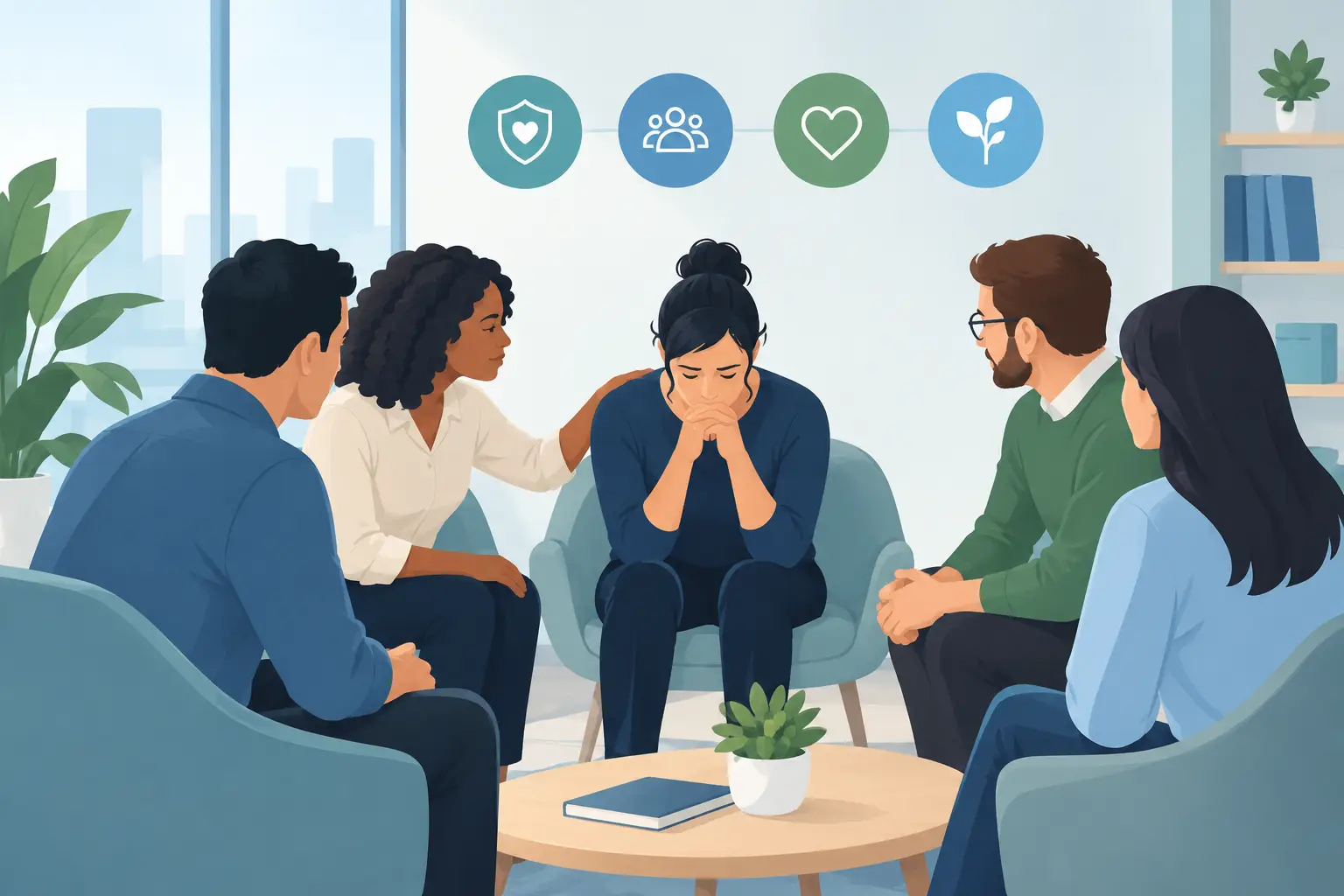
A serious incident can change the emotional temperature of a workplace in minutes. A fatality, violent threat, traumatic customer interaction, major accident, suicide, natural disaster or distressing disclosure can leave people shocked, distracted and uncertain about what happens next. Workplace trauma response planning gives leaders a practical framework for protecting people while maintaining safe, credible operations.
The issue is not whether every employee will respond in the same way. They will not. The issue is whether the organisation can respond promptly, calmly and consistently without placing managers in the position of improvising care, communication and operational decisions under pressure.
Why workplace trauma response planning is a business responsibility
Following a critical event, the immediate human impact is clear. Less visible, but equally material, are the operational consequences: increased absence, errors, conflict, turnover, reduced concentration, reputational damage and potential psychological injury claims. If leaders communicate poorly or return teams to business as usual too quickly, they can compound the harm.
For Australian employers, trauma exposure may also create or intensify psychosocial hazards. Under work health and safety duties, organisations must identify and manage risks to psychological health so far as is reasonably practicable. A response plan does not remove every risk, nor does it replace clinical care where that is needed. It does demonstrate that the organisation has considered foreseeable harm, assigned responsibilities and built a process for timely action.
There is also a performance case. People are more likely to recover their confidence and stay engaged when they see visible leadership, receive accurate information and have appropriate options for support. In contrast, silence leaves room for rumours, while a one-size-fits-all intervention can feel impersonal or intrusive.
What a practical trauma response plan needs to cover
A plan should be concise enough to use under pressure and detailed enough to guide decisions. It should sit alongside, not compete with, existing emergency management, incident reporting, WHS and people processes.
The strongest plans clarify five operational areas:
- immediate safety, including emergency escalation, site access, workload changes and who coordinates the response;
- leadership roles, including the executive sponsor, incident lead, HR or people and culture contact, WHS adviser and manager responsibilities;
- communication protocols for affected employees, the broader workforce, families where appropriate, customers and external stakeholders;
- support pathways, including manager check-ins, access to qualified professional support and arrangements for people who are directly or indirectly affected; and
- recovery and review, including workload adjustments, follow-up dates, documentation and lessons for future prevention.
The plan must distinguish between an emergency and the period after immediate danger has passed. Emergency services and physical safety controls come first. Once the scene is safe, leaders need a structured approach to psychological safety, communication and return-to-work decisions.
Start with likely exposure scenarios
Generic plans often fail because they do not reflect the work people actually do. A council team may face community aggression after a local tragedy. A construction business may need to respond to a serious onsite incident. A customer service team may be exposed to threats, abuse or distressing calls. Health, education, transport, defence, emergency-facing and community services roles can carry repeated exposure rather than one isolated event.
Map the events that are plausible for your organisation, then consider who may be affected. This includes witnesses, first responders, close colleagues, managers delivering difficult news and employees who learn about an incident through internal channels or social media. Remote and hybrid employees should not be an afterthought. They may be physically safe but disconnected from information and support.
Scenario planning also exposes gaps before an incident occurs. If a manager receives a disclosure at 8 pm, who do they contact? If a whole team cannot safely continue normal duties, who has authority to alter targets, rostering or customer commitments? These are governance questions, not matters of goodwill alone.
Give managers a script, not a counselling role
Managers have an influential role after a traumatic event, but they should not be expected to diagnose trauma, investigate personal circumstances or act as therapists. Their job is to create safety, communicate with respect, notice changes in functioning and connect people with the right support.
A manager’s first conversation should be simple and human: acknowledge what has happened, check immediate safety, explain what is known and unknown, and ask what practical support would help over the next few days. That may mean time away from certain tasks, reduced exposure to triggering work, a quieter work area, flexibility around hours or a private follow-up conversation.
Managers should avoid making promises they cannot keep, pressing employees to share details or assuming that someone who appears composed is unaffected. They also need clear escalation thresholds. Expressions of immediate risk, severe distress, inability to function safely or concerns about another person require prompt action under the organisation’s escalation process.
Training makes this distinction real. When managers practise trauma-informed conversations, they are less likely to overstep, minimise the experience or retreat into awkward silence.
Communicate early, accurately and with care
Employees do not need every detail of a critical incident. They do need enough factual information to understand what has occurred, what the organisation is doing and where to seek support. The quality of communication is often remembered long after the event itself.
Early messaging should avoid speculation, graphic details and language that assigns blame before facts are established. It should name the impact without being dramatic, explain immediate arrangements and give employees a reliable point of contact. If there are legal, privacy or investigation constraints, say so plainly rather than allowing a vacuum to develop.
Communication is not a single email. Leaders should plan for an initial notification, manager-led team conversations, individual check-ins for those most affected and updates as circumstances change. In a dispersed organisation, the channel matters. A sensitive message may require a live briefing before written communication, particularly where teams have a close connection to the event.
Build recovery into normal work decisions
The days after an incident are not the time to judge resilience by attendance alone. An employee may return quickly and still struggle with concentration, sleep, confidence or exposure to particular tasks. Others may need little adjustment. Effective recovery planning offers options without forcing disclosure or treating every reaction as a clinical condition.
Practical adjustments should be proportionate and reviewed regularly. For one employee, this may mean a temporary change in duties. For a team, it may mean reduced workloads, extra supervision, protected debrief time or a pause on high-pressure performance activity. The trade-off is real: operations may slow in the short term. Yet ignoring reduced capacity can increase mistakes, conflict and longer-term absence.
Leaders should also watch for secondary impacts. A manager coordinating the response may be carrying significant emotional load. Teams not directly involved may experience anxiety, especially if the event exposes broader concerns about safety, workload or organisational culture. Recovery is stronger when support extends beyond the most visibly affected people.
Test the plan before you need it
A document stored in a shared drive is not a capability. Test the plan through a short tabletop exercise with senior leaders, HR, WHS, communications and relevant operational managers. Use a realistic scenario and ask who makes each decision, what employees hear in the first hour, how support is activated and how the organisation will identify ongoing risk.
The exercise will usually reveal practical issues: outdated contact details, unclear authority, managers who have not been trained, inconsistent reporting pathways or support services that are difficult to access outside standard hours. These are fixable problems when found in rehearsal. They are damaging when discovered during a live event.
Workplace Mental Health Institute helps organisations build this capability through practical trauma-informed training, psychosocial risk expertise and leadership development. The objective is not to create a perfect script for every event. It is to ensure leaders can make sound, compassionate decisions when certainty is limited.
A well-prepared response plan sends a clear message to employees: when something difficult happens, this organisation will not look away, panic or leave managers to handle it alone. That confidence is part of psychological safety, and it is built well before the moment it is needed.